The methodus blog
Insights on recipe documentation, bartender certification, pour cost management, and F&B operations.

How to Calculate True Pour Cost (With Yield Loss)
Your pour cost is probably wrong. Here's how to calculate it properly — accounting for yield loss, prep waste, and free-pour variance.
Nathaniel · 15 March 2026

HACCP in Switzerland: the Autocontrôle Duty, the BPHR, and the Cantonal Inspector
Swiss food safety runs on one word — autocontrôle. What the LDAl and hygiene ordinances actually require, why the BPHR guide is the working answer for restaurants, and what the cantonal chemist's inspector looks for when they walk in unannounced.
Nathaniel · 5 August 2026
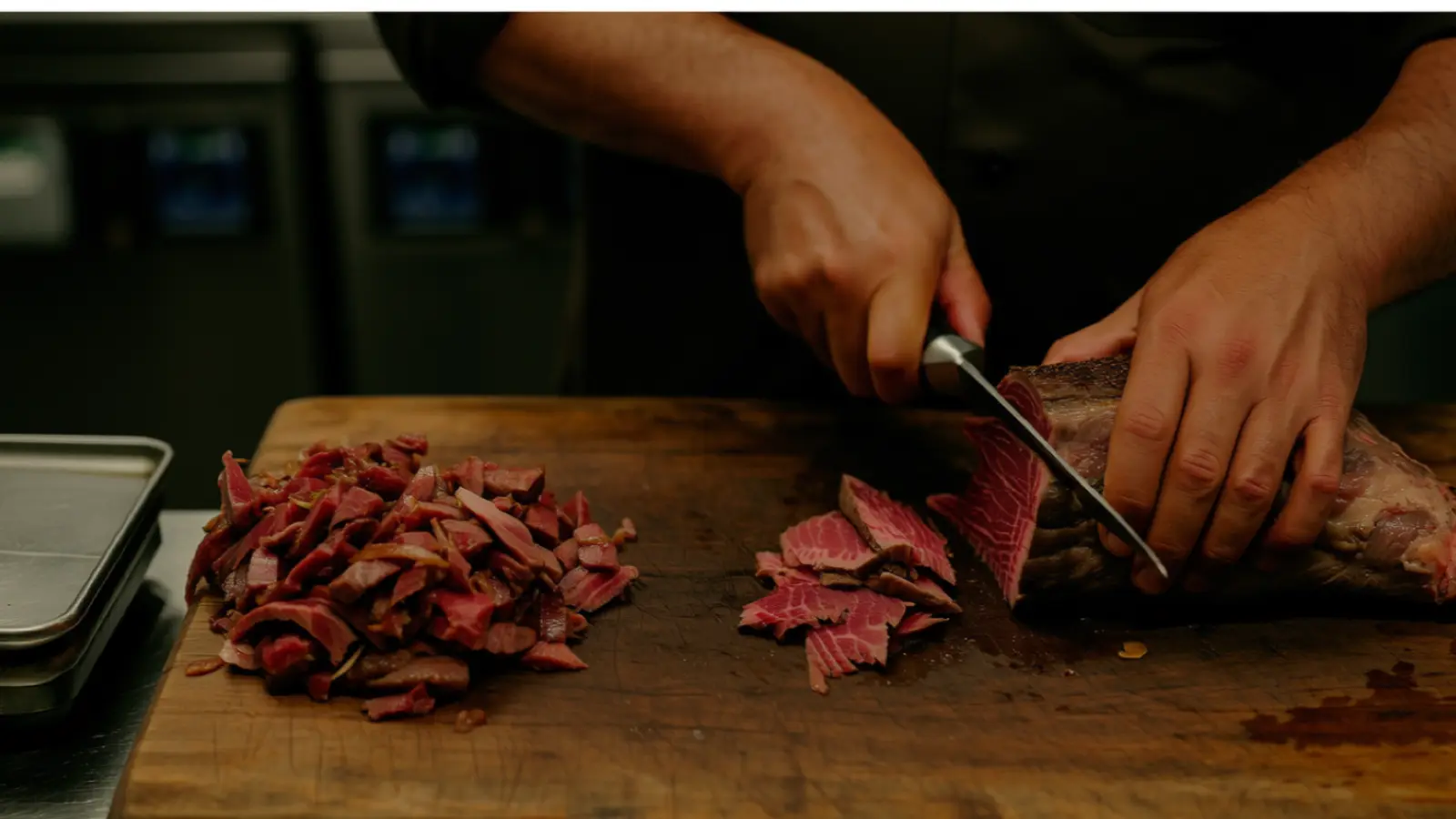
Wholesale Price vs Plate Cost: Why the Catalogue Number Is Never Your Cost
Every operator googles 'wholesale price of X' — and the number they find is never what X costs on the plate. Trim, yield, waste, portioning: the same arithmetic, product by product, from beef and salmon to mozzarella, fry oil, coffee and the beer keg.
Nathaniel · 4 August 2026

Mandatory Displays in French Restaurants: What Must Be Shown, What's Optional
Meat origins — now including processed products since the 2024 decree — prices, allergens, 'fait maison': what French law actually requires on your walls and menus, what's voluntary (Nutri-Score), and why the compliant version of each display starts in your recipe data.
Nathaniel · 4 August 2026
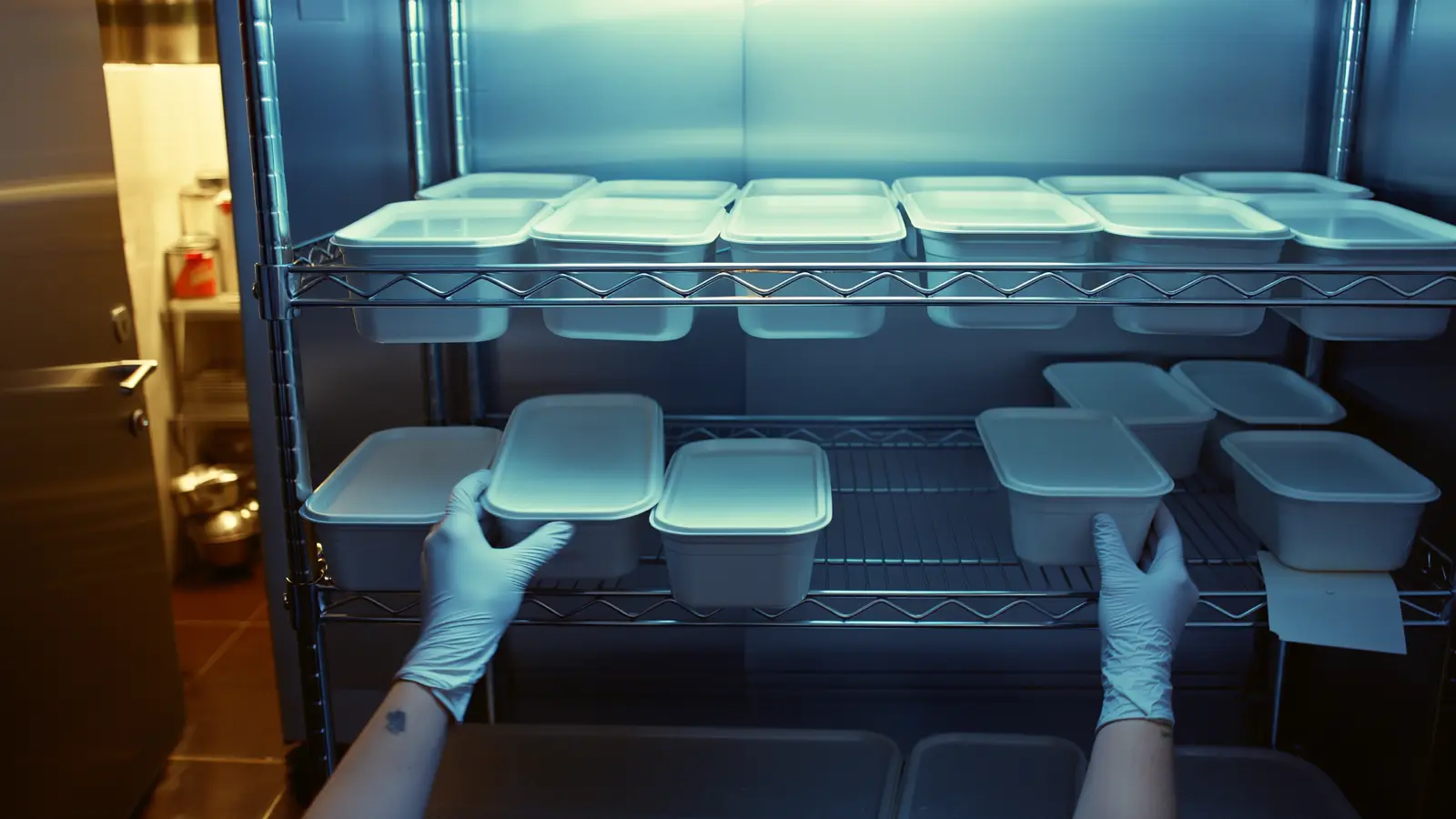
DDM, DLC, DLUO: What Food Date Labels Mean (+ Cheat Sheet)
DDM ('à consommer de préférence avant') is a quality date: past it, judge the product before you bin it. DLC ('à consommer jusqu'au') is a legal safety limit: past it, it's out. The full difference, the FEFO discipline, and a free printable A4 cheat sheet for the kitchen wall.
Nathaniel · 4 August 2026

Restaurant Financing: Audit These Costs Before You Borrow
Factoring, cash advances, short-term credit — every option has a cost, and most restaurants reach for one before knowing whether the hole is a cash-flow gap or a margin leak. Borrowing against a leak just rents you a bigger one.
Nathaniel · 4 August 2026

Can't Pay the Restaurant Rent? What Happens Next, and What to Do
A missed rent payment starts a legal clock — one month in France, thirty days in Switzerland. What actually happens, the order to do things in, and why the ratio that caused it matters more than the arrears.
Nathaniel · 4 August 2026

Selling or Closing a Restaurant: The Exit Routes, Honestly
There's a version of stopping that protects you and one that ruins you, and the difference is mostly timing. The exit routes in France and Switzerland — selling the fonds, voluntary liquidation, the confidential procedures — in plain language.
Nathaniel · 4 August 2026
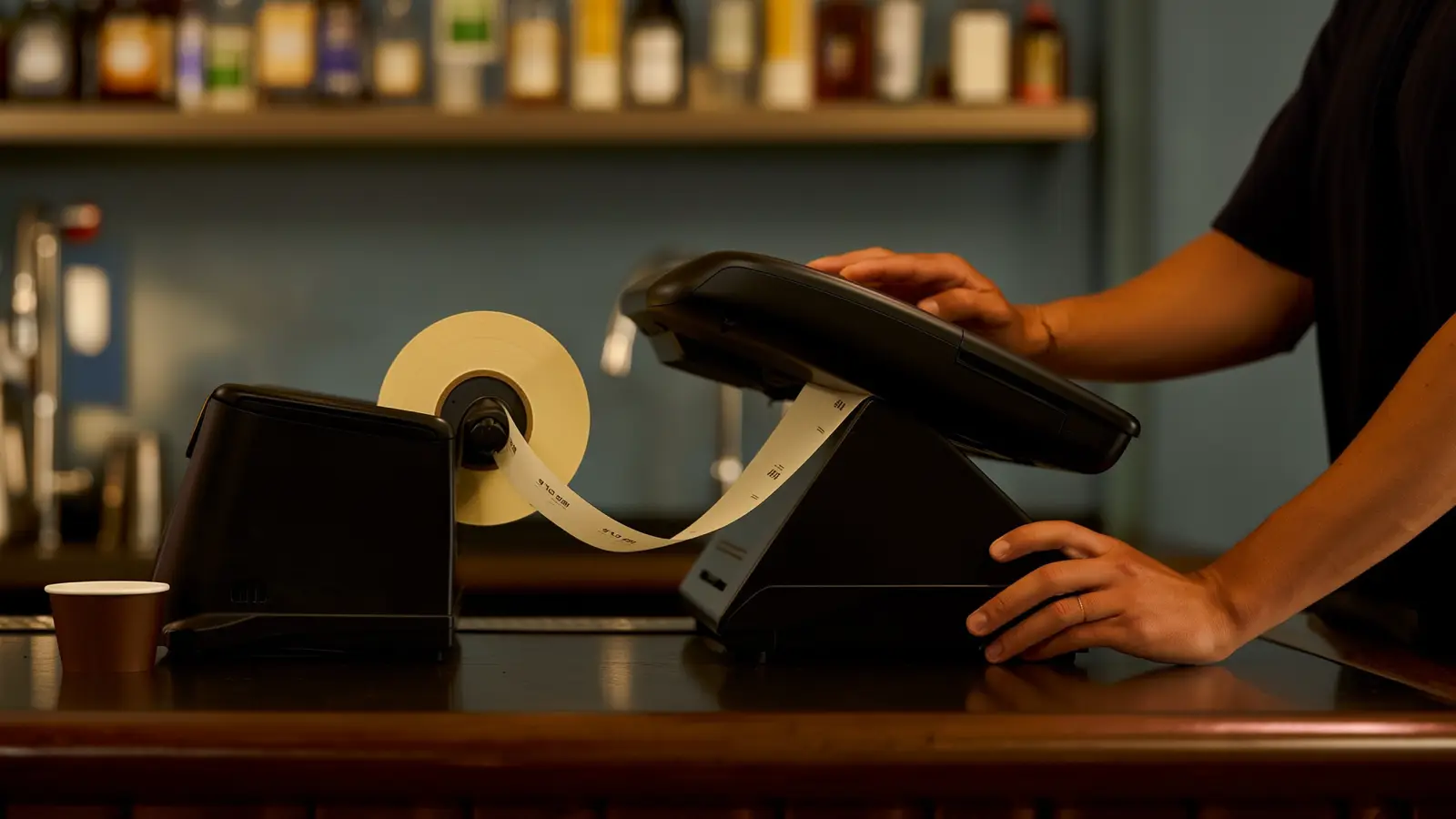
The Five Reports Your POS Is Hiding (and What Each One Pays)
Every POS opens on the same screen: today's revenue, big and useless. The reports that actually pay are three menus deep — five of them, each worth a specific amount of money.
Nathaniel · 3 August 2026

Sales Mix Analysis: Your Menu Is Making Decisions Without You
Two nights, identical revenue, hundreds apart in profit — decided entirely by which items sold. The mix is the biggest lever you're not steering, and your POS already records it.
Nathaniel · 3 August 2026

What to Do With POS Sales Data (Besides Watching Revenue)
Your POS has recorded every item you've ever sold, and most venues use that archive for exactly one thing: yesterday's total. Four uses, in rising order of value — none needing an API.
Nathaniel · 3 August 2026

What Should Labor Cost? The Benchmark Depends on Your Country
US full-service runs 30–36% labor. France runs 35–40. Switzerland runs around 45 — and that's normal. Before you panic about your ratio, make sure you're comparing it to the right one.
Nathaniel · 3 August 2026

Cutting Labor Costs: The One Hour You Must Never Cut
Cutting a server from the Friday peak saves 75 in wages, reads as a better labor ratio, and quietly costs you more than it saves. The percentage flatters exactly the cut that hurts you.
Nathaniel · 3 August 2026

Margin per Labor Hour: The Number Your Scheduler Can't See
Scheduling tools divide sales by hours. But sales aren't margin — and the hour that sells the most isn't always the hour that earns the most. One division tells you which hours deserve staff.
Nathaniel · 3 August 2026
What One Departure Really Costs a Restaurant
The wage stops the day someone quits. The costs start: recruiting hours, training overlap, a slower bar for six weeks — and everything that lived only in their head. Cost a departure like a recipe.
Nathaniel · 3 August 2026
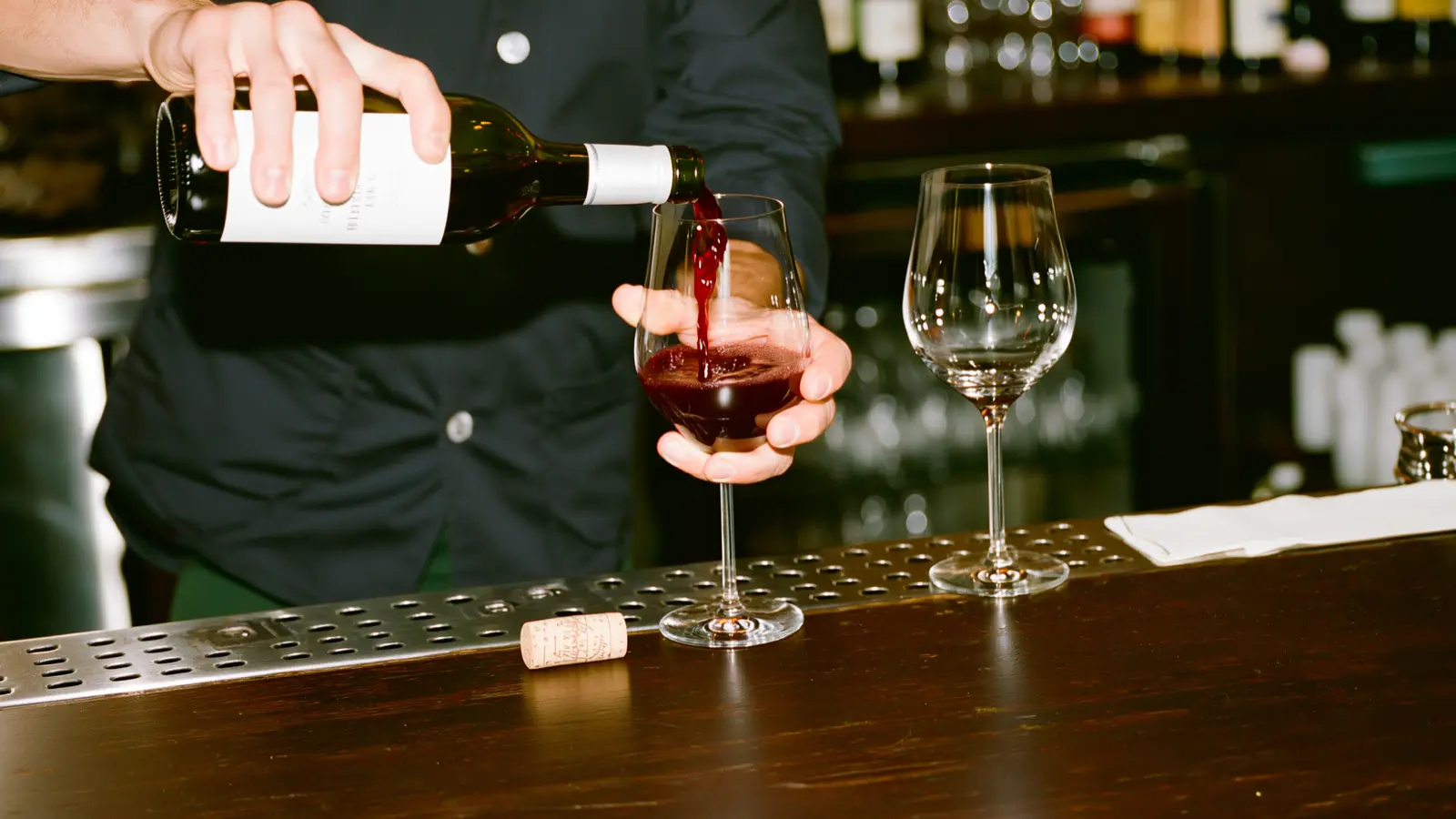
Wine by the Glass: Price the Pour, Not the Bottle
Wine runs the highest pour cost behind the bar — 30–40% against liquor's 15–20% — and by-the-glass is where a list quietly leaks: yield, oxidation, and prices set years ago.
Nathaniel · 31 July 2026

Draft Beer Margins: The 20% Pour Cost That Rarely Survives the Line
A keg prices out around a 20% pour cost on paper. Foam, line flushes, free-poured head and unticketed pints decide how much of that survives — and every lost pour is pure margin.
Nathaniel · 31 July 2026
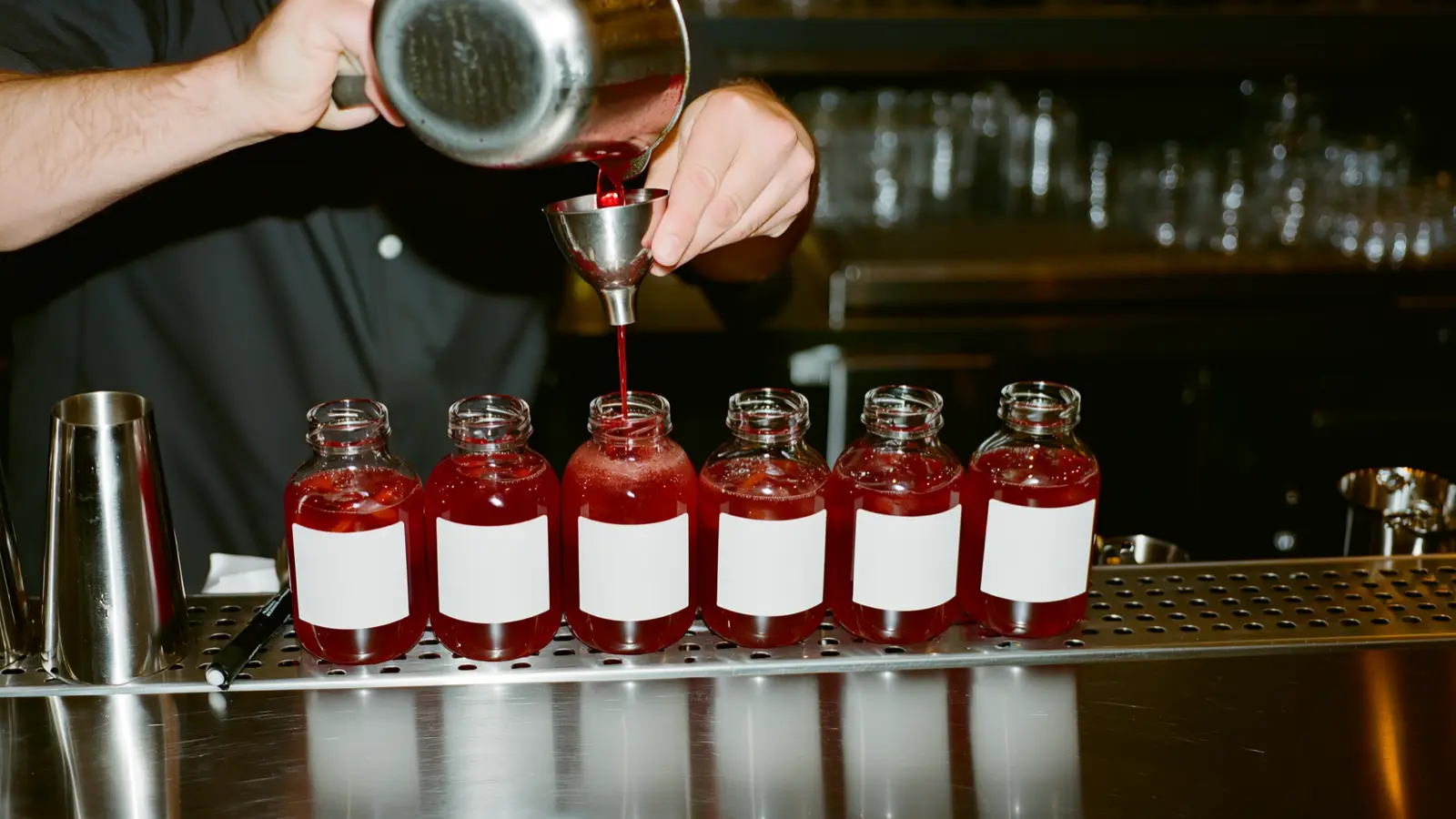
Batching Cocktails: Cost the Prep That Saves Your Service
Batching doesn't change what a cocktail costs — it changes how consistently it costs it. The math of pre-batched spirits, dilution, and citrus shelf life, without the guesswork.
Nathaniel · 31 July 2026

Happy Hour Math: When the Discount Pays for Itself
At bar margins, a 25% discount needs about 45% more volume just to break even on gross profit. The arithmetic every happy hour should be run against — before the chalkboard goes out.
Nathaniel · 31 July 2026

Prime Cost: The Only Restaurant Number Worth Watching Weekly
Food plus labor is 55–65% of your sales — and it's the only big line you can actually move. Recover two points of prime cost and you've done the work of a 40% jump in sales.
Nathaniel · 31 July 2026
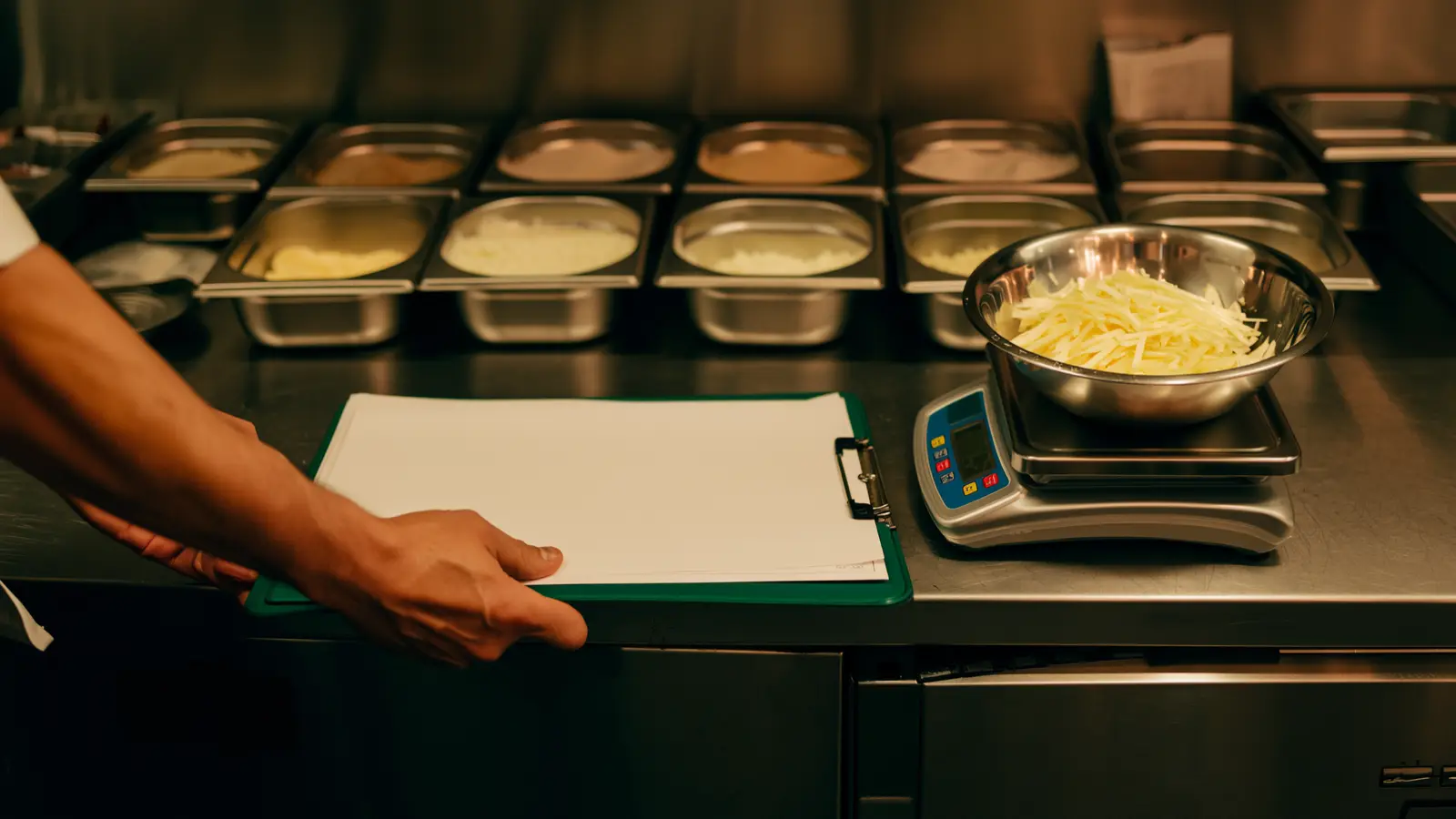
Theoretical vs Actual Food Cost: Finding the Variance That Eats Your Margin
Your recipes say 29%. Your inventory says 33%. That four-point gap is the most expensive number nobody at your venue can name — on $1M of food sales it's $40,000.
Nathaniel · 31 July 2026
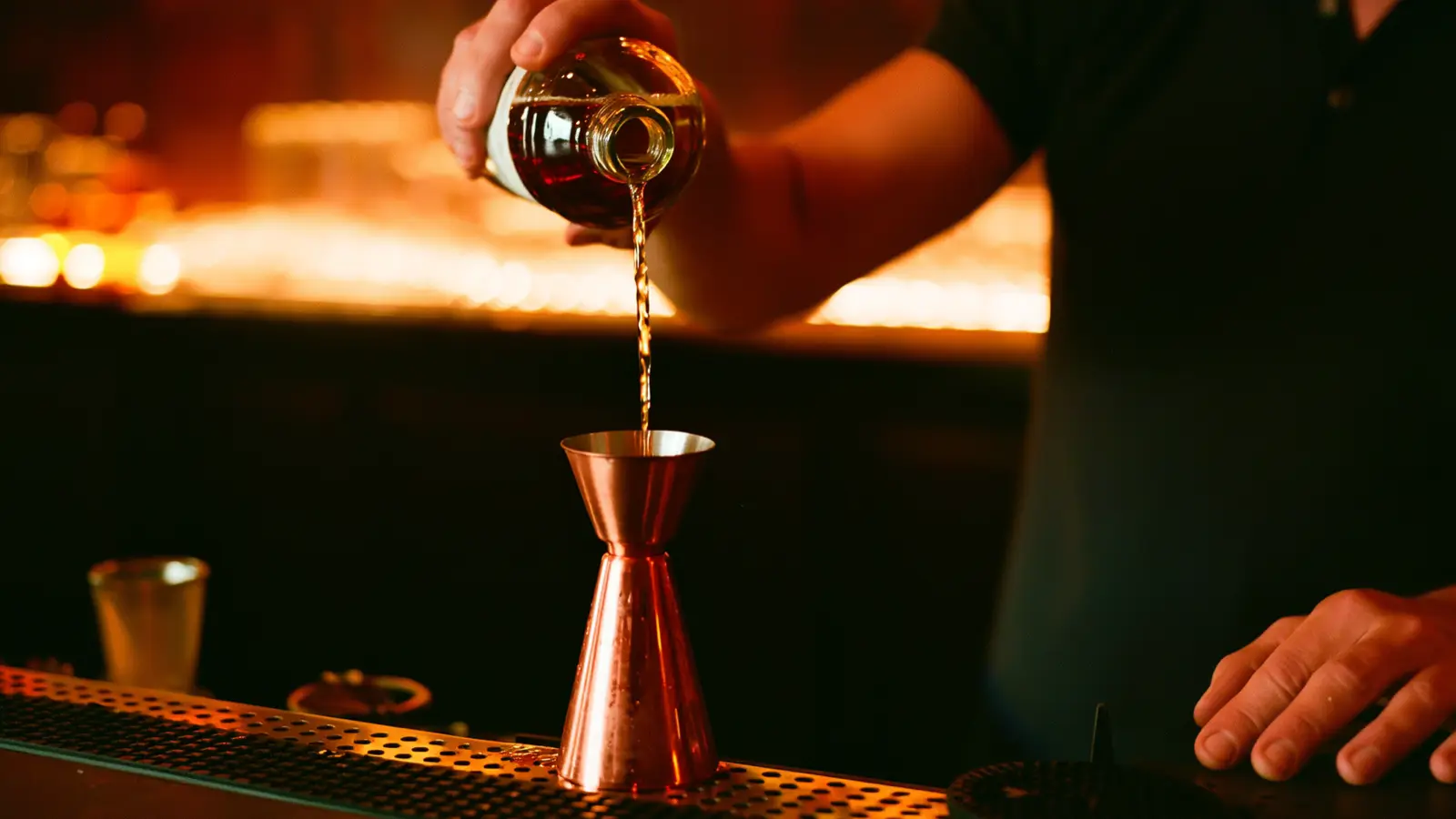
What Overpouring Actually Costs Your Bar (With the Audit Numbers)
Across 50,000+ bar audits, about 15% of what's poured never matches a ticket. On a bar doing $50k a month, that's around $18,000 a year — gone one quarter-ounce at a time.
Nathaniel · 31 July 2026
Supplier Prices Moved. Your Menu Didn't. That's the Leak.
A recipe costed in March is fiction by July. The stale-cost leak is the quietest way a venue loses margin — and the only leak you can close from a desk.
Nathaniel · 31 July 2026
How to Calculate Food Cost Percentage (Formula + Free Calculator)
The formula takes ten seconds. Getting the two numbers right is where the money is. Here's how to calculate food cost percentage properly — and why the number in your spreadsheet is lying to you.
Nathaniel · 25 July 2026
How to Cost a Recipe (Step-by-Step, With a Worked Example)
Recipe costing is the number every other number is built on — food cost, menu price, margin. Here's how to cost a recipe properly, from edible-portion prices to sub-recipes to cost per portion.
Nathaniel · 25 July 2026

The $50,000 Problem: What Happens When Your Head Bartender Quits
Your head bartender's resignation letter is the most expensive document in your bar. Here's what it actually costs — and how to prevent the damage.
Nathaniel · 15 March 2026

How to Certify Your Bar Team in 7 Days
A step-by-step playbook for going from zero documentation to a fully certified bar team in one week — specs, quizzes and sign-off, without slowing service.
Nathaniel · 15 March 2026

Allergen Compliance for Bars & Restaurants: What You Actually Need
EU 14 allergens, US 9 allergens, Natasha's Law — the regulatory landscape is complex. Here's what F&B operators need to document, train, and prove.
Nathaniel · 15 March 2026

Negotiate with Data, Not Charm
You can't negotiate what you can't see. A six-month price history turns 'your prices went up' into a fact on the table — and a renegotiation you can actually win.
Nathaniel · 4 August 2026
The Invoice Says One Thing, the Crate Says Another
A delivery note and its invoice rarely agree perfectly — a missing case, a substitution, a price that drifted between order and billing. A five-minute receiving ritual catches it before the money's gone.
Nathaniel · 4 August 2026
Your Price List Is Lying to You
A printed price list is out of date the week after you print it. The only honest version is a live, per-ingredient price history — here's what a price list actually needs to track.
Nathaniel · 4 August 2026

Full Dining Room, Empty Till
A packed dining room and a shrinking bank balance can both be true at once. Volume hides margin leaks — three numbers will tell you where yours is bleeding.
Nathaniel · 4 August 2026

When You Can't Pay Your Suppliers
Cash trouble is usually a margin problem arriving late. When you genuinely can't pay everyone this week, triage without shame — call first, protect the two or three you can't lose, and get honest about the cause.
Nathaniel · 4 August 2026

A 90-Day Margin Turnaround
Turning around a restaurant's margin isn't one fix — it's a sequence: measure first, then fix pricing and portions, then renegotiate purchases, then lock the routine in. Expect a few points of food cost, not a miracle.
Nathaniel · 4 August 2026

Due Diligence: The Audit Sellers Hope You Skip
The accountant checks the books. Almost nobody checks the kitchen. Here's the operational audit that catches what the P&L can't — before you sign.
Nathaniel · 4 August 2026

What a Restaurant Is Worth
Everyone wants a single number. The honest answer is a multiple of provable earnings, hedged by lease, location, and owner dependency — and diligence is what moves you inside the range.
Nathaniel · 4 August 2026

Buy or Build?
A takeover buys revenue, a team, and a lease — plus the previous owner's cost structure. Opening from scratch is slower but clean. Either way, the first 90 days are a margin audit.
Nathaniel · 4 August 2026

Why Pro Kitchens Weigh
A cup of flour can vary noticeably depending on how it's packed. A gram never does. That reproducibility is the whole reason professional kitchens weigh almost everything.
Nathaniel · 4 August 2026
Scaling a Recipe Without Breaking It
Ingredients scale by a clean multiplier. Seasoning, spice, and cooking time don't — hedge with a rule of thumb, then taste at the new scale before it goes on the menu.
Nathaniel · 4 August 2026
The Kilo You Bought Isn't the Kilo You Serve
Trim, peel, and cooking loss all happen after the invoice and before the plate. The real cost of what's served is higher than the purchase price suggests — here's why, and how to measure it.
Nathaniel · 4 August 2026
Get F&B insights every two weeks
Join bar managers and F&B directors who read The methodus brief.
Cookies & measurement. Essential cookies run methodus.bar. Analytics & ads only with your OK. Details in the privacy policy.