Happy hour is a volume bet, and most venues place it without knowing the stake. Here's the stake: with drinks at an 80% gross margin (a 20% pour cost), cutting prices 25% drops the margin per drink from 0.80 to 0.55 of the old price. To bank the same gross profit, you need 0.80 ÷ 0.55 — about 45% more drinks sold in the window. Not 25% more. Forty-five. If the discount is 30%, you need 60% more. That's the whole game before a single guest walks in.
The math is friendlier at bar margins than almost anywhere else in the building — a retailer at 40% margin needs to nearly triple volume to survive the same discount. Drinks' fat gross margin is exactly why happy hour exists as a format. It's also why it belongs on the beverage program's numbers, not on the marketing calendar alone.
When the bet pays
- Dead hours with real walk-by traffic — the seats were empty; incremental volume is nearly pure contribution
- Discounted items with low pour costs — well drinks and draft, where even the cut price clears 70% margin
- Attachment: half the value of a discounted drink is the full-price second round and the food order beside it
- A hard time window that actually ends — the discount that bleeds into peak hours discounts drinks that would have sold anyway
When it quietly loses
- Discounting drinks with 30–40% pour costs (wine by the glass, premium cocktails) — the volume math turns brutal
- Cannibalizing regulars who were coming anyway — measured volume lift, not attendance, is the test
- Comps and over-pours riding along with the promo — variance hides inside busy windows
- No baseline: if you don't know the window's normal take, you can't know if the promo beat it
Reading the bet from the till
The verdict is three numbers per window: drinks sold versus the same window's baseline, gross profit versus baseline, and attachment (full-price items sold alongside). At Chat Noir, my club in Geneva, the register syncs every morning against costed recipes, so a promo window's real gross profit is readable the next day — not felt at month-end. Any till report can approximate this; the discipline is comparing profit, not headcount. A full room at the wrong price is a busy way to lose money.
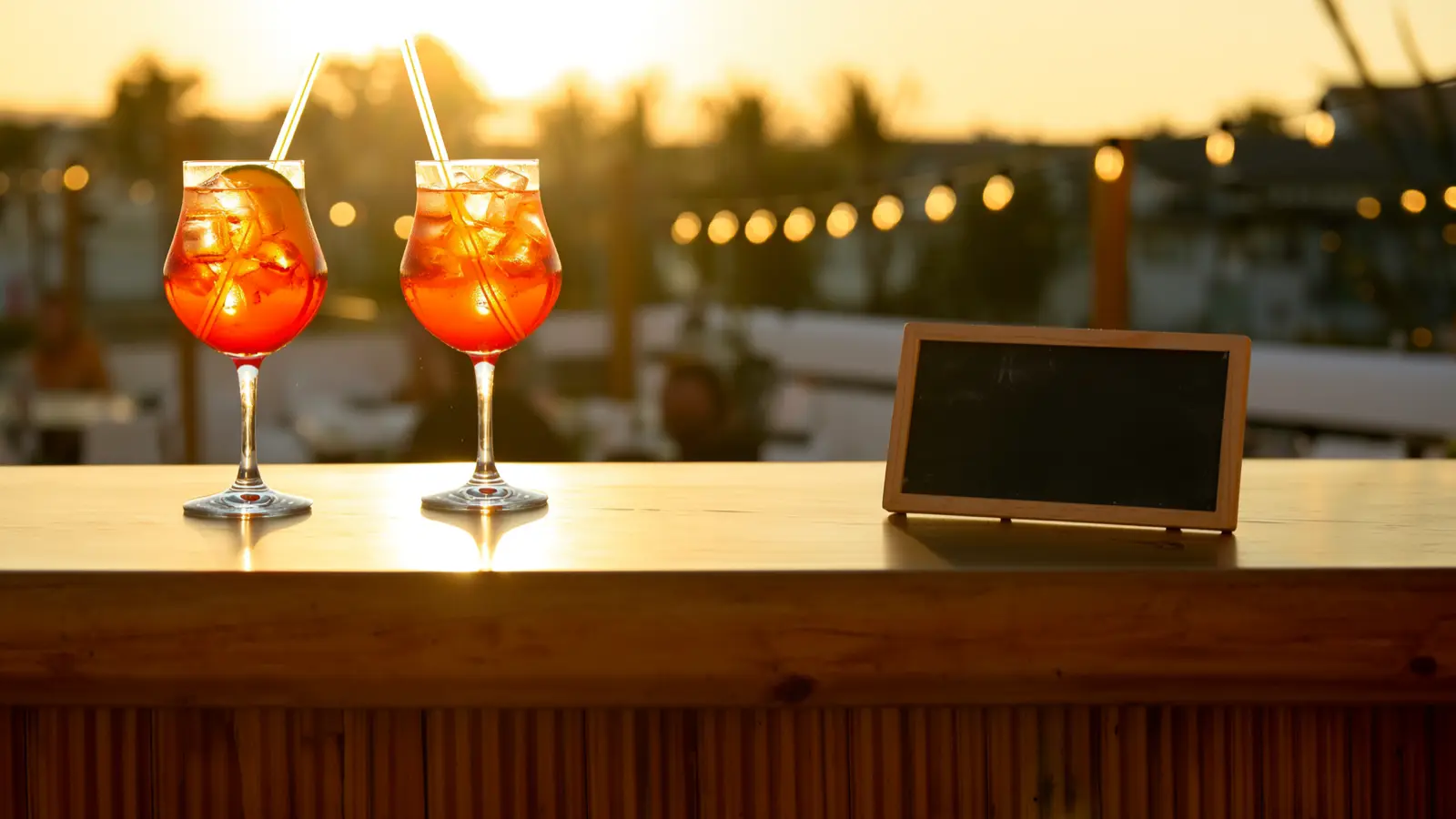
Run the break-even lift before every promo, measure the window against its own baseline after — the sales mix shows what the discount actually sold — and let the margin math — not the atmosphere — decide if the chalkboard goes out again next week.