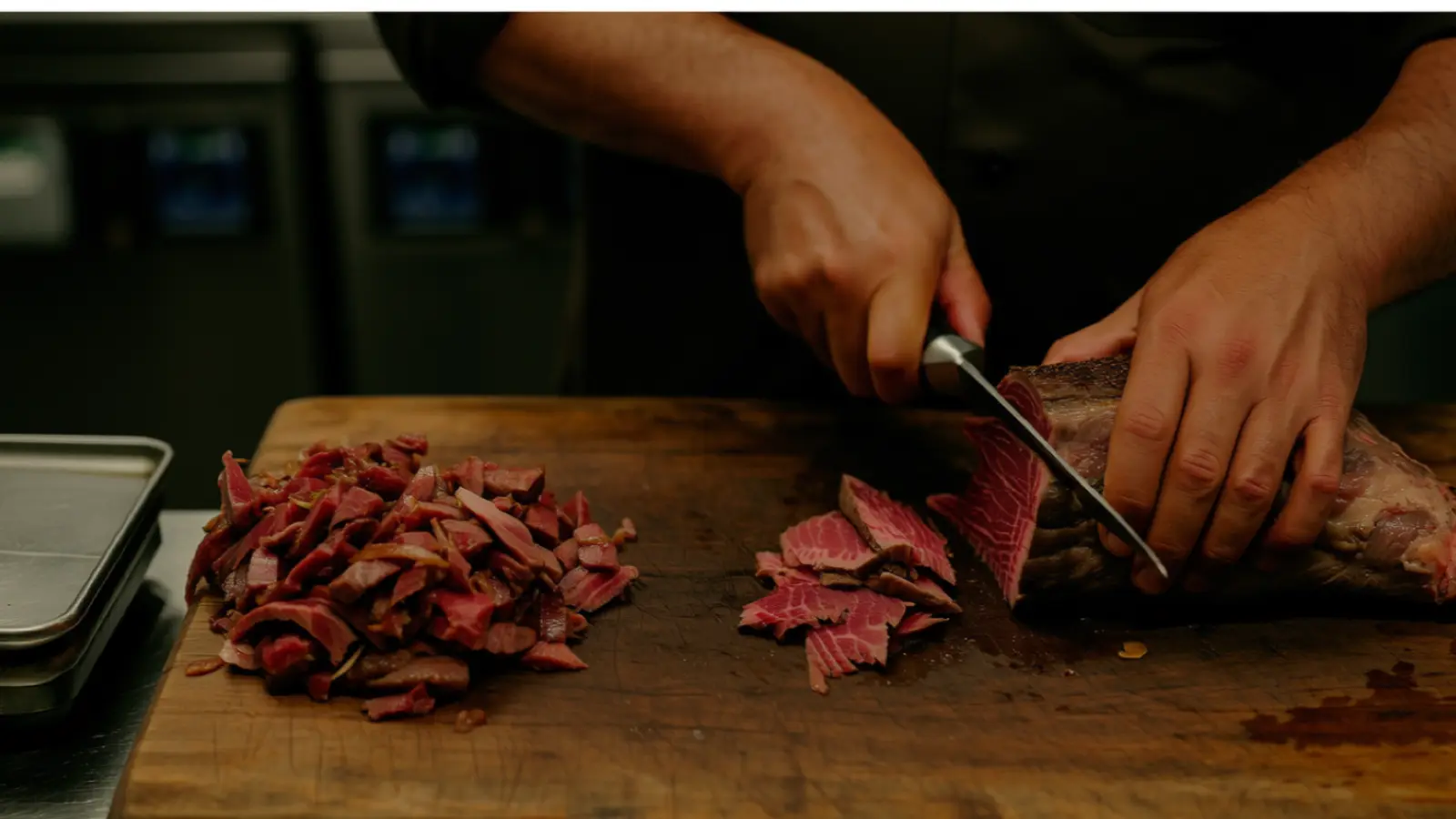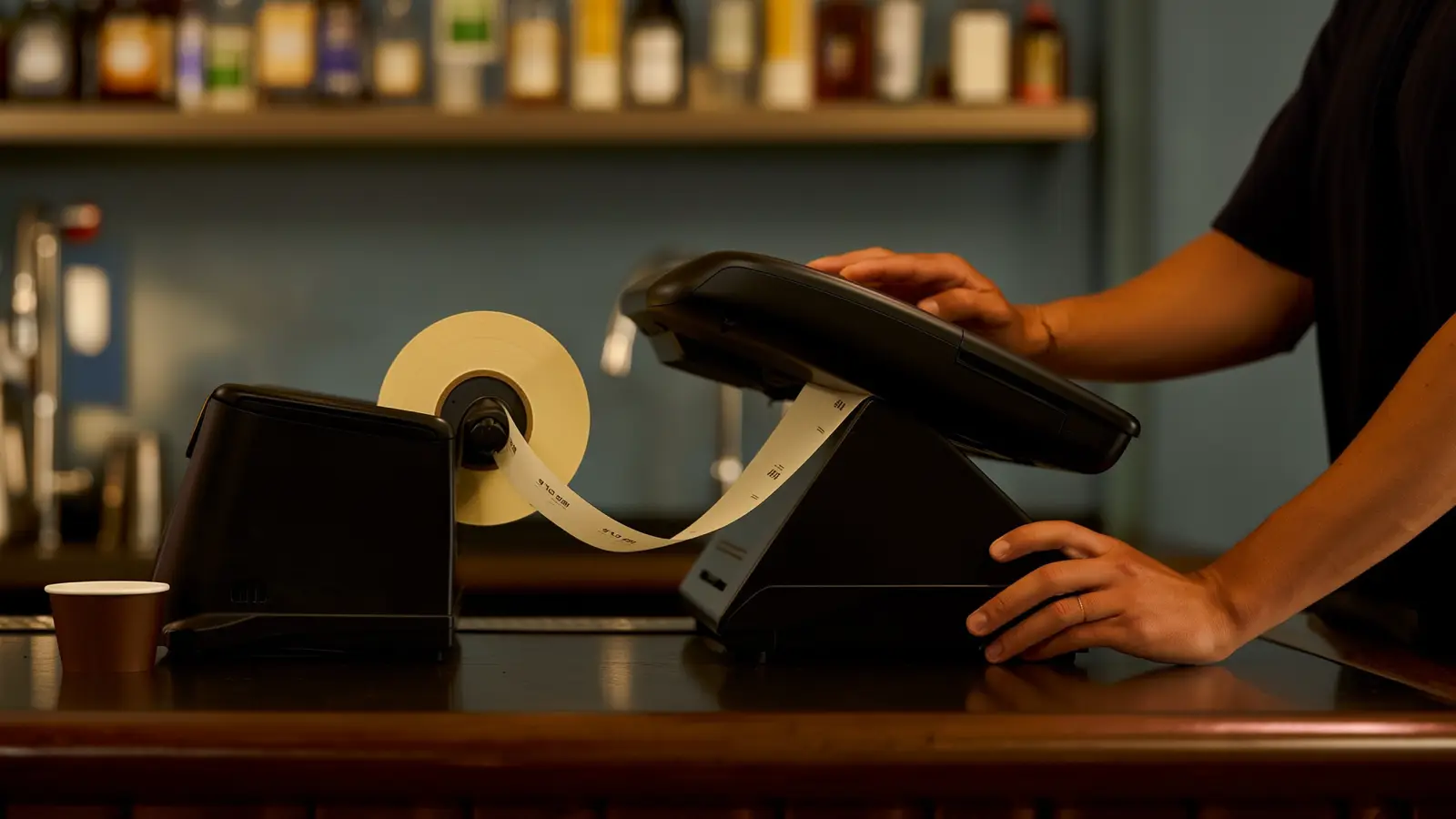
Take two Fridays with the same revenue on the register. On the first, the kitchen mostly sold the braised dish with the 24% margin that anchors the menu's reputation. On the second, the same revenue came from the truffle burger that costs 42% of its price to plate. Same total, hundreds of francs apart in gross margin — and if you steer by revenue, the two nights are indistinguishable. The mix decided, and nobody was steering it.
One report, one extra column
Sales mix analysis is the item-level sales report with margin attached. Units sold you have already — it's the first report worth pulling from any POS. The ingredient cost is the half most venues are missing, and it changes what every line means: the bestseller column stops being a leaderboard and becomes a P&L. Rank items by total contribution instead of units and the menu rearranges itself in front of you — the quiet dish bankrolling the venue, the star selling armfuls of nearly nothing.
The spreadsheet version, honestly
You can build this in a spreadsheet, and you should at least once: export the item report, add a cost column, multiply. The catch isn't the arithmetic, it's the maintenance — ingredient prices move with every delivery, the menu changes, and the mapping between POS names and recipes rots quietly. Spreadsheet mix analyses are almost always right about the month they were built and fiction by the third. The venues that actually steer by mix are the ones where the margin column updates itself when a supplier price moves.
What the mix tells you to do
- High margin, low sales — a placement problem: move it, name it better, teach the floor to say one sentence about it
- High sales, low margin — a pricing or portion problem: a small price move on a bestseller is worth more than a big one on a shelf-warmer
- High margin, high sales — protect it: never let it stock out on a Saturday, never redesign it casually
- Low margin, low sales — the menu's dead weight: cut it, and mourn briefly
Those four boxes are menu engineering, and the full guide covers the craft — pricing moves, placement psychology, when to kill a dish someone loves. The mix analysis is the evidence that feeds it: engineering a menu without the mix is redecorating in the dark.
Read it weekly, act on it monthly
The mix drifts — a season ends, a chef's special becomes permanent, a price change moves demand. A weekly glance catches the drift as part of the daily-five routine; a monthly session turns it into menu decisions. At Chat Noir the till's items are matched to costed recipes, so the contribution ranking is a screen, not a Sunday — but however you compute it, compute it: the menu is deciding your margin every night, with or without you.