Overpouring costs a typical bar around 15% of poured product — that figure comes from Bar-i's dataset of more than 50,000 physical bar audits, not a vendor guess. On a bar doing $50,000 a month in beverage sales, the same dataset puts the loss at roughly $1,500 a month, about $18,000 a year. No one steals it; it evaporates a quarter-ounce at a time, mostly from honest bartenders building drinks by feel on busy nights.
The reason it hurts more than a food-side leak of the same size: pour cost runs around 18–24% (Restaurants Canada), which means every beverage dollar carries 76–82 points of gross margin. A point of bar shrinkage takes more profit with it than a point of kitchen waste. It's the highest-margin corner of your profit margin — and the least watched.
Know your pour cost targets first
- Liquor: 15–20% pour cost
- Draft beer: around 20%
- Bottled beer: 20–30%
- Wine: 30–40%
- Blended target overall: about 20% (Restaurants Canada, via Sculpture Hospitality)
You'll also hear that 20–25% of a bar's inventory goes unaccounted. Treat that one as commonly cited rather than measured — it traces to an undated vendor page. The 15% overpour figure is the one backed by audits; it's also plenty.
Where the ounces go
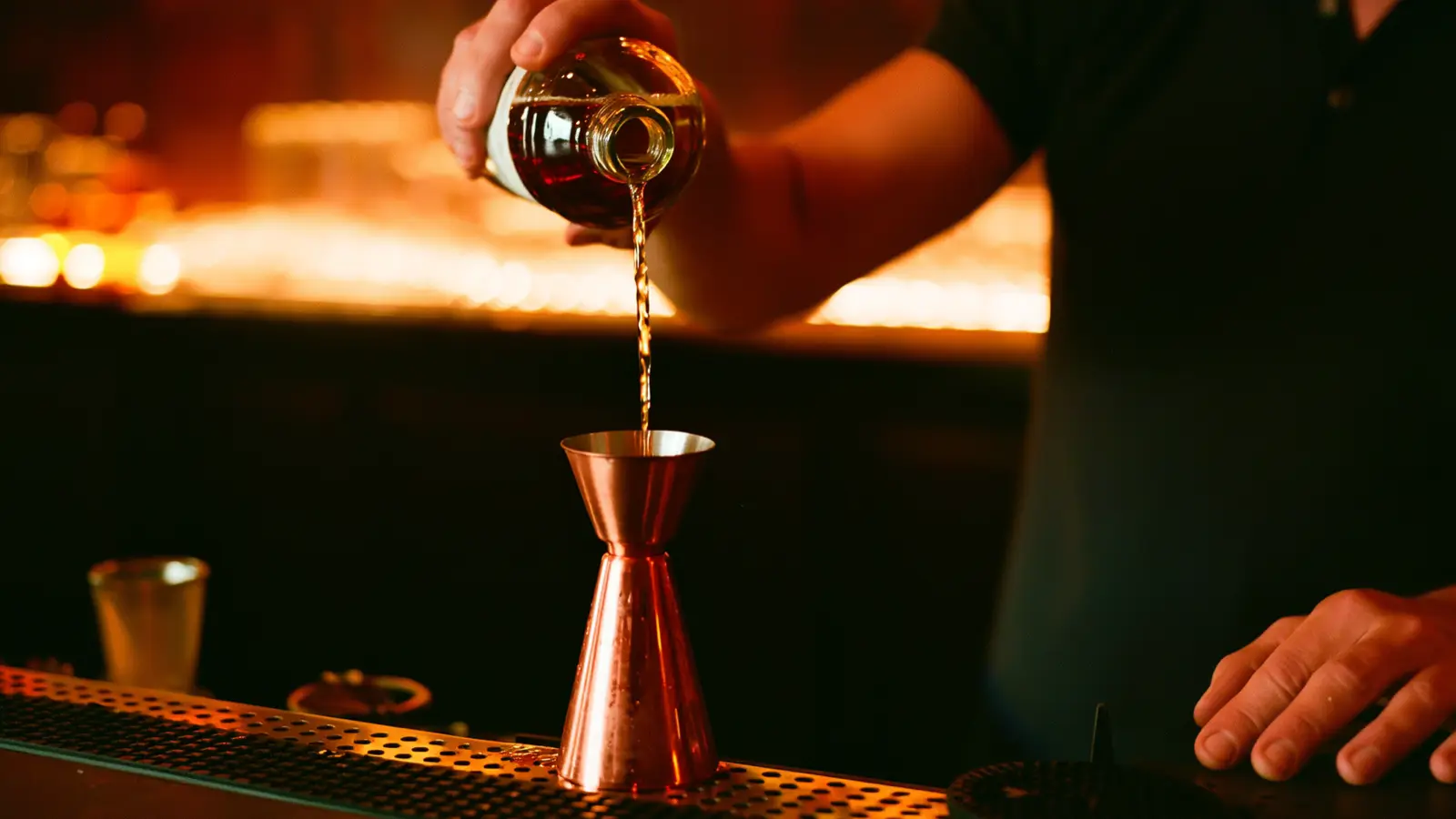
- The generous free pour — a 1.5oz spec poured at 1.75oz is a 17% overpour on the spot
- Recipes from memory — three bartenders, three Negronis, three costs
- The unticketed comp — a shot for the regular that never meets the register
- Broken glass, spillage, the soda gun nobody meters
None of these are firing offenses; all of them are invisible without a baseline. A costed spec for every drink — the same discipline as true pour cost with yield loss — is what turns 'the bar feels off' into 'we're 2.1 points over on liquor, and it started the week the new hire went solo.'
The matching problem, at scale
Variance only means something when sales lines connect to recipes. At Chat Noir, my club in Geneva, more than 300,000 drinks and plates have gone through the register in 18 months, and 98% of those sales lines matched automatically to a costed recipe. That match rate is the whole trick — at 98%, a pour-cost drift shows up in days; below 80%, the signal drowns in unmatched noise. However you get there, the register and the recipes have to speak.
The fix is boring and it works
Spec every drink with exact pours, jigger by default (free-pour is a privilege earned against the variance report), count the high-value bottles weekly, and put the pour-cost number where the bar team sees it. Bars that do this sit at the tight end of the beverage cost bands; bars that don't donate a payroll's worth of spirits to the dark every year.