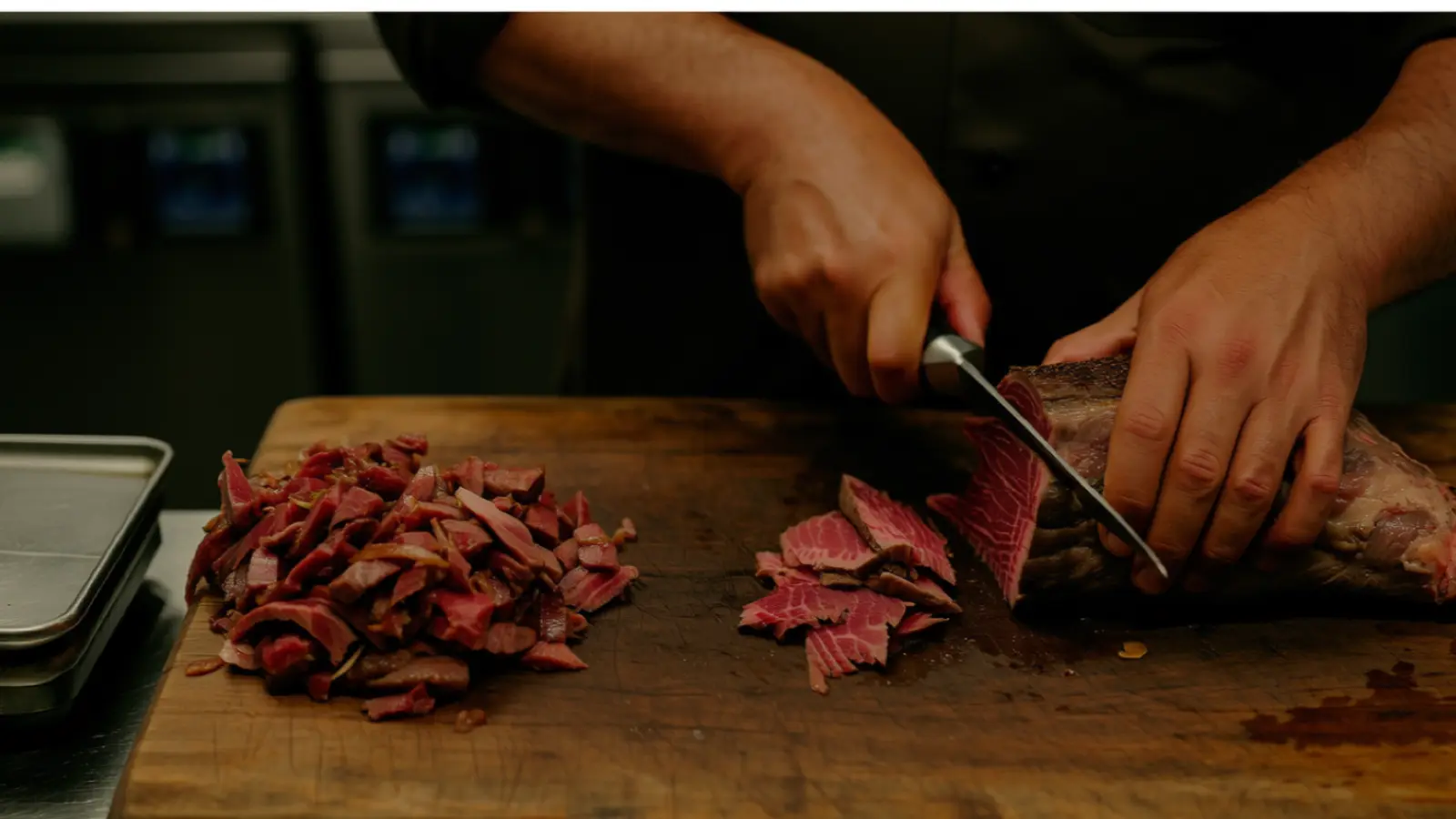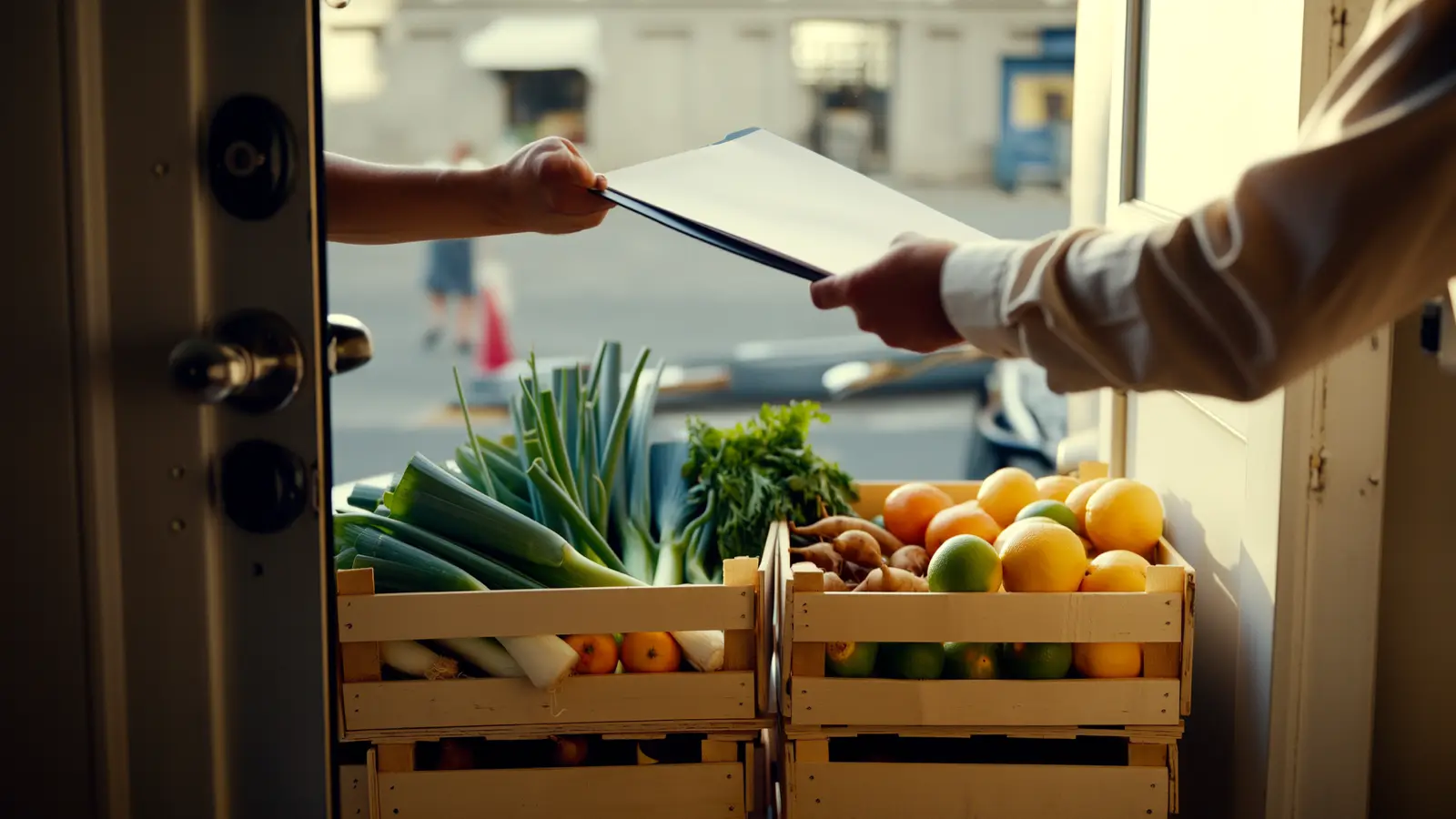
When a supplier raises a price and your recipe costs don't follow, every plate keeps selling at a margin that no longer exists. The menu says 29% food cost because the fiche was costed in March; the butter, the beef and the citrus moved in May; by July you're really running 32% and the P&L will tell you in September. Industry food cost benchmarks sit at 28–35% of food sales (Toast) — the stale-cost leak is how venues drift quietly from the bottom of that band to the top without changing a single recipe.
This is the least dramatic leak in the building — no waste bin, no overpour, nobody's technique to blame — and it compounds across every dish that shares an ingredient. One dairy increase touches forty fiches. It's also the leak most venues could close this week, because it doesn't happen during service. It happens at a desk, or fails to.
Why recipe costs go stale
- Price changes arrive buried line-by-line in invoices, not announced
- Re-costing by hand means opening every fiche that touches the ingredient
- The person who receives deliveries isn't the person who owns the spreadsheet
- Small increases feel ignorable — 4% on cream, 6% on citrus — until they stack
The math of 'ignorable': a venue at 30% food cost whose ingredient basket rises 5% is now at 31.5% — a point and a half of net margin gone, which at a 5% margin is nearly a third of profit. The increases were all real, all small, and all unanswered.
The routine that closes it
- Every invoice updates ingredient prices the week it arrives — not quarterly
- Re-cost the fiches that contain the moved ingredient, automatically or by list
- Flag dishes whose margin fell through your floor — those are pricing or portioning decisions now
- Answer with the menu: reprice, re-portion, substitute, or accept knowingly
The last step is the point. A price increase you've seen and accepted is a decision; one you haven't seen is a leak. The theoretical-vs-actual variance work only means something when the theoretical side is current — stale costs corrupt the measuring stick itself.
What current looks like in practice
At Chat Noir, my club in Geneva, the register syncs every morning and invoices update ingredient prices as they're scanned — so the cost picture I read is this week's, not the accountant's reconstruction two months later. Eighteen months of running it this way changed the question from 'what was our food cost?' to 'what happens to Friday's margin if I don't answer this invoice?' The second question is the one you can still do something about. The full method for taking back the whole supplier line — receiving, price history, negotiating with receipts — is in the supplier management guide.